


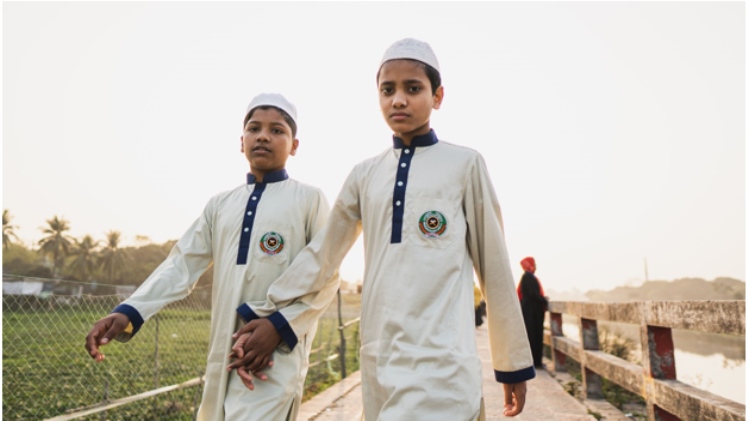
Schools That Teach Students Islamic Values
Islamic values are important for the development of any child – that’s why more and more schools are teaching students Islamic values – Melbourne Muslim Education is changing for the better. Here, we will discuss some of the benefits of teaching students Islamic values and what it entails.
In many schools around Australia these days, there is an increasing focus on teaching students Islamic values. Children need to understand the basic religious principles that make up different faiths, and this can be done by introducing them to Islamic concepts such as prayer (salah), charity (zakat) and fasting (sawm). Schools should also teach students about the pillars of Islam – faith, prayer, fasting, charity, and pilgrimage.
This sort of education has numerous benefits for students. By introducing them to Islamic concepts from an early age, students can gain a better understanding of their own faith and become more grounded in it. This also helps them to develop an appreciation for different religions and cultures and to be more accepting of those who think differently. With this in mind, children are also introduced to Christianity and other religions.
Of course, Islamic values have more of an emphasis in specialised Islamic schools. This type of education typically focuses on memorizing the Quran and learning how to understand it, as well as developing a knowledge of Islamic history, customs, and practices. Students in these schools also learn about Islamic morality, ethics, and social behaviour.
In addition to traditional academic pursuits, Islamic schools may also offer extracurricular activities such as sports and music; these can help students develop an understanding of Islamic values in a fun and engaging way.
Some Islamic schools also offer extra support for students in the form of counselling, mentoring, and other services. This is especially important for students who may be struggling to adjust to a new school environment. Counselling and mentoring can help these students develop the self-confidence and self-esteem necessary for success.
For those schools that are not affiliated with a particular denomination of Islam, the curriculum may include classes on Islamic history, culture, and literature. Many of these schools also offer classes on religious topics such as the Quran and Hadith.
Primary Students and Secondary Students
When it comes to Islamic schools, what’s the difference between the curriculum for primary and secondary students? Primary students focus on basic Islamic teachings, such as the five pillars of Islam, the Quranic principles, and an introduction to Islamic history. These classes are often taught in a relaxed, interactive way.
Secondary students at Islamic schools are expected to develop a deeper understanding of Islam and its principles. They may study more complex topics, such as the interpretation of Islamic literature and teachings, or the ethical implications of Islam. Secondary students are also encouraged to think critically about Islamic texts and practices, applying the principles of their faith to everyday life.
In addition to offering classes on core Islamic subjects, Islamic schools also seek to impart values such as respect for others, self-discipline, and service. Classroom activities may include group projects, volunteer work, community service, and field trips to Islamic places of worship. These experiences help pupils develop a sense of responsibility and gain an appreciation for their faith.
These schools also strive to create a supportive environment in which students can grow and learn without fear of judgment or ridicule. For example, Islamic schools typically have strict dress codes that require students to wear modest clothing. This helps promote a sense of respect for one another and encourages pupils to feel comfortable at all times.
