


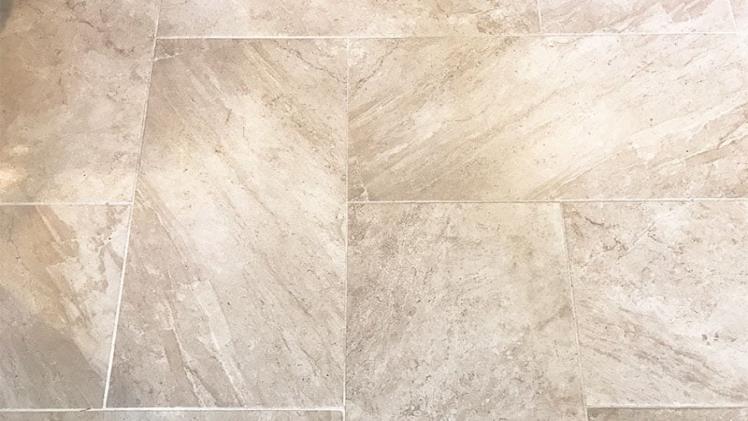
Tile floors are popular for their durability, aesthetic appeal, and ease of maintenance. However, one common concern with tile flooring is its potential slipperiness, especially when wet or in high-traffic areas. Fortunately, there are effective methods to make tile floors less slippery and create a safer environment for your home or workplace. In this article, we will explore these methods and provide valuable insights on how to improve traction and reduce the risk of slips on tile floors.
1. Clean the Floors Regularly
Proper cleaning is essential for maintaining safe and less slippery tile floors. Regular cleaning helps remove dirt, debris, and substances that can contribute to a slippery surface. Use a mild cleaning solution specifically formulated for tile floors and follow the manufacturer’s instructions. Avoid using excessive amounts of water, as it can make the surface more slippery. After cleaning, ensure the floor is thoroughly dried to prevent moisture from lingering and creating a slip hazard.
2. Add Non-Slip Mats or Rugs
Non-slip mats or rugs can provide an additional layer of traction on tile floors, especially in high-traffic areas or spots prone to moisture. Look for mats or rugs with a non-slip backing or those specifically designed for enhanced grip. Place them strategically near entryways, in front of sinks, or in areas where spills are likely to occur. Ensure that the mats or rugs are securely placed and do not present tripping hazards.
3. Apply Anti-Slip Coatings or Sealers
Applying anti-slip coatings or sealers to tile floors is an effective method to improve traction and reduce slipperiness. These coatings work by creating a textured surface that enhances grip. They can be applied to both glazed and unglazed tile surfaces. Anti-slip coatings are available in various forms, such as spray-on treatments or roll-on applications. Consider using epoxy or polyurethane floor paints with anti-slip additives for improved safety. It’s important to follow the manufacturer’s instructions for proper application and maintenance of these coatings.
4. Use Anti-Slip Floor Treatments
Anti-slip floor treatments are designed specifically to reduce slipperiness on various floor surfaces, including tile. These treatments, available in the form of sprays, polishes, or adhesive tapes, create a textured layer on the tile surface, increasing friction and improving traction. They are easy to apply and can be an effective temporary solution in areas that require immediate slip resistance. However, it’s important to regularly monitor and maintain these treatments, as they may wear off over time and require reapplication.
5. Enhance Moisture Control
Moisture is a major contributor to slippery tile floors. Enhancing moisture control measures can significantly reduce the risk of slips. In areas prone to moisture, such as bathrooms or kitchens, use absorbent mats or rugs to capture water and prevent it from spreading onto the tile floor. Promptly wipe up any spills or excess moisture to avoid creating slippery conditions. Ensure that bathrooms and showers are equipped with proper ventilation to minimize humidity levels. Additionally, consider using slip-resistant bath mats or tiles in shower areas to improve safety.
Making tile floors less slippery is essential for maintaining a safe and accident-free environment. By implementing regular cleaning practices, using non-slip mats or rugs, applying anti-slip coatings or sealers, using anti-slip floor treatments, and enhancing moisture control, you can significantly reduce the risk of slips on tile floors. Remember, prevention is key, and taking proactive measures to improve traction and reduce slipperiness is crucial. Whether in residential or commercial settings, ensuring the safety of tile floors should be a priority. With these methods in place, you can enjoy the benefits of beautiful tile flooring while creating a safer space for everyone.
