


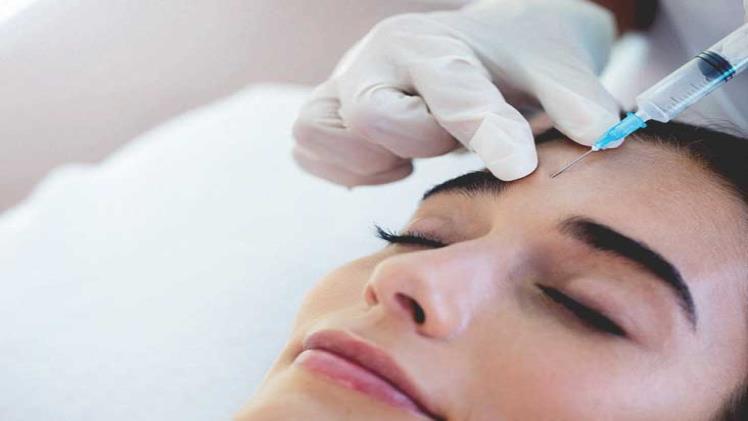
You might recognize Botox injections as one of the most common anti-aging treatments for issues like wrinkles and fine lines. However, you might not know that Botox treatment New York could also ease the symptoms of numerous other neurological conditions.
As with wrinkles, your physician simply injects the botulinum toxin near the area of the symptoms. The outcomes are quick, and the benefits can last for several months. Continue reading to discover the various neurological conditions that Botox can help with.
1. Chronic Migraines
One of Botox’s most interesting therapeutic uses is in treating chronic migraines. Anybody who suffers from migraines understands how disruptive and debilitating they can be. Often, it means living with over-the-counter painkillers or analgesics.
Botox works to reduce migraine symptoms by slowing the activity of muscles that regulate the nerve endings involved. Once injected into the forehead and neck, Botox blocks the nerve signals, responsible for causing migraines. However, Botox does not treat the underlying cause.
2. Blepharospasm
Blepharospasm is a condition that results in involuntary muscle contractions in your eyelids. This condition can make the eyes be forced shut and be quite uncomfortable. Botox effectively addresses blepharospasm by relaxing the muscles triggering the spasms.
As such, Botox offers pain relief, allowing the eyes to open. Besides, Botox can alleviate associated symptoms like light sensitivity, dry eyes, eye irritation, and excessive blinking.
3. Spinal Cord Injuries
As part of the central nervous system, the spinal cord is like the highway that lines to and from your brain into the peripheral nervous system, and the muscles. Any spinal cord damage disrupts the pathway between the body and the brain.
This disruption causes muscles to receive irregular signals, which could result in irregular muscle movement. Whereas Botox will not heal spinal cord injuries, it can alleviate muscular tension in the legs and arms that disrupt motion.
4. Sialorrhea or Hypersalivation
Sialorrhea is a condition that leads to excessive drooling. The condition often stems from a neurological disorder affecting facial muscles like multiple sclerosis, epilepsy, and Parkinson’s disease. This condition could be quite uncomfortable and embarrassing.
When conservative solutions like postural adjustments and anticholinergic medications fail, Botox can help. The procedure temporarily paralyzes the muscles responsible for generating saliva; thus, reducing drooling.
5. Spasticity
Spasticity is characterized by muscle spasms and stiffness that prevent normal movement, speech, and walking. This condition can result from various health concerns, including stroke, multiple sclerosis, cerebral palsy, and spinal cord injury.
Botox treats spasticity by relaxing your muscles. This procedure gradually alleviates discomfort, improves mobility, reduces muscle stiffness, and allows for enhanced use of one’s upper extremities.
6. Hyperhidrosis
Hyperhidrosis is a condition that causes excessive sweating that goes past the body’s necessity to regulate temperature. While this condition could occur in the entire body, it often happens in specific areas like the palms and arms.
Botox treats hyperhidrosis by momentarily inhibiting the nerves that signal the sweat glands to generate sweat. As a result, patients can enjoy a significant reduction in sweating, resulting in improved life quality.
Botox has come a long way. Today, it is one of the most promising therapies available for neurological conditions. Anybody who has not received relief from conventional treatments should talk to their neurologist about the potential of Botox as an alternative.
Your neurologist will create a tailored plan for you. Although some patients can find relief from their symptoms in a single Botox treatment, others might require repeated sessions to enjoy lasting results.
