


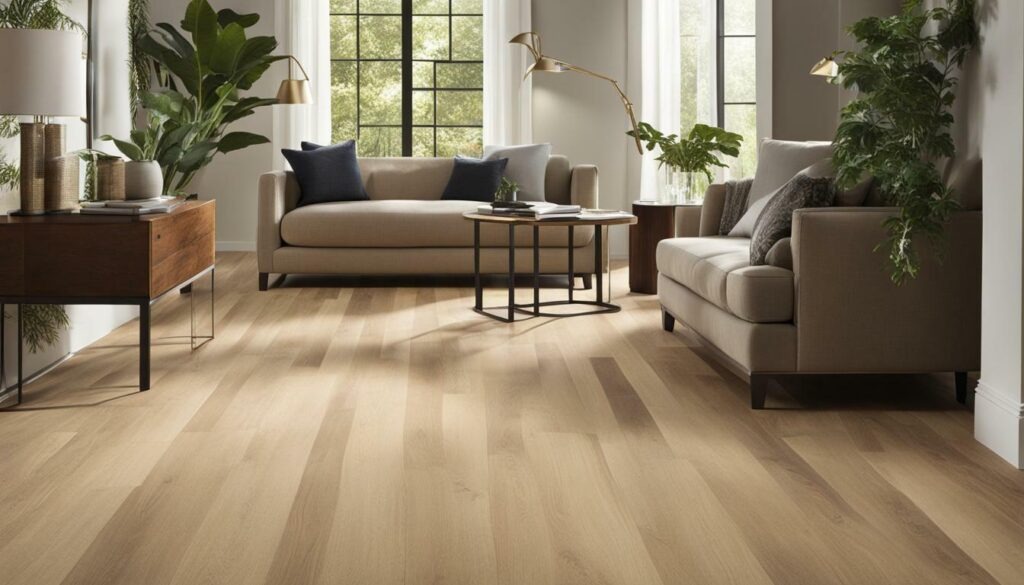
In an era where sustainability is not just a choice but a necessity, homeowners and builders are increasingly turning to eco-friendly materials to reduce their environmental impact. Among these, reclaimed floorboards have gained significant popularity. These finest reclaimed floorboards offer a blend of history, charm, and environmental benefits that make them an excellent choice for those seeking sustainable living solutions. This article delves into the various environmental benefits of using reclaimed wood floorboards, showcasing why they are an exemplary choice for your next renovation or construction project.
The Environmental Impact of Traditional Flooring
Traditional flooring materials, such as new hardwood and laminate, often come at a significant environmental cost. The production process involves deforestation, high energy consumption, and the use of chemicals that can be harmful to both the environment and human health. By opting for reclaimed wood floorboards, you can significantly reduce these negative impacts.
Reducing Deforestation
One of the most compelling environmental benefits of reclaimed floorboards is their role in reducing deforestation. Every year, millions of trees are cut down to meet the demand for new hardwood flooring. This not only depletes forests but also disrupts ecosystems and contributes to climate change. Reclaimed wood, on the other hand, comes from old buildings, barns, and factories that are being demolished or renovated. By repurposing this wood, we can conserve forests and protect the wildlife that depends on them.
Lowering Carbon Footprint
The process of harvesting, transporting, and processing new wood requires a substantial amount of energy, which translates into a higher carbon footprint. Reclaimed wood floorboards, however, have already undergone the initial processing and transportation stages. By reusing this material, we can significantly reduce the energy consumption and greenhouse gas emissions associated with new wood production. Additionally, using local sources for reclaimed wood further minimizes the transportation-related carbon footprint.
Reducing Landfill Waste
Construction and demolition activities generate a considerable amount of waste, much of which ends up in landfills. Reclaimed floorboards help mitigate this issue by diverting wood waste from landfills and giving it a new life. This not only reduces the burden on landfill sites but also prevents the release of methane, a potent greenhouse gas, which is emitted as organic waste decomposes.
Preserving Natural Resources
The use of reclaimed wood floorboards helps preserve natural resources by minimizing the demand for new raw materials. This conservation extends beyond trees to include the water, soil, and energy required to grow, harvest, and process new wood. By choosing reclaimed wood, we support a more sustainable and responsible use of our planet’s finite resources.
Enhancing Indoor Air Quality
Traditional flooring materials, particularly those made from synthetic substances, can release volatile organic compounds (VOCs) and other harmful chemicals into the air. These substances can negatively impact indoor air quality and pose health risks to occupants. Reclaimed wood floorboards, however, typically do not emit VOCs, especially if they have been well-maintained over the years. This contributes to a healthier living environment, free from the toxic fumes associated with new flooring products.
Unique Aesthetic Appeal
Beyond the environmental benefits, reclaimed floorboards offer a unique aesthetic appeal that is hard to replicate with new materials. Each piece of reclaimed wood carries a history and character that add warmth and personality to any space. The finest reclaimed floorboards often feature intricate grain patterns, rich patinas, and distinctive marks that tell a story of their past. This uniqueness not only enhances the visual appeal of your home but also provides a tangible connection to history and tradition.
Supporting Local Economies
Sourcing reclaimed wood floorboards often involves working with local suppliers and craftsmen who specialize in salvaging and restoring old wood. This not only supports local economies but also fosters a sense of community and promotes sustainable business practices. By choosing reclaimed wood, you are contributing to the growth of local businesses and encouraging environmentally responsible craftsmanship.
Conclusion: A Sustainable Choice for the Future
Incorporating reclaimed wood floorboards into your home is a decision that goes beyond aesthetics and functionality. It is a commitment to sustainability and environmental stewardship. The environmental benefits of reclaimed floorboards, from reducing deforestation and lowering carbon footprints to minimizing landfill waste and preserving natural resources, make them an ideal choice for anyone seeking to live more sustainably. As we continue to face the challenges of climate change and resource depletion, making mindful choices like opting for reclaimed wood can have a significant positive impact on our planet. Choose the finest reclaimed floorboards for your next project and contribute to a more sustainable and eco-friendly future.
