


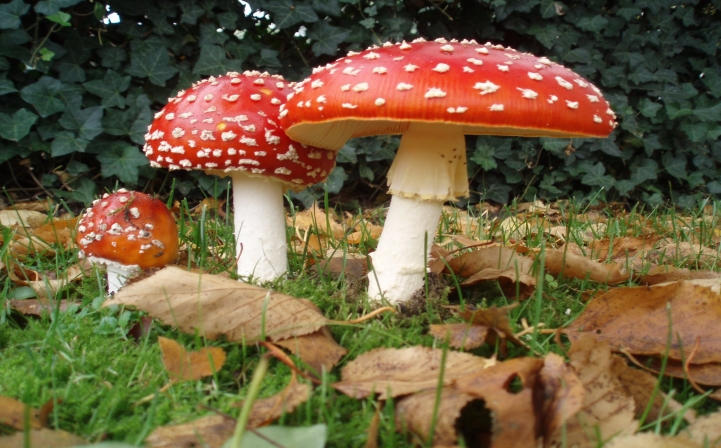
Fly agaric mushrooms contain various compounds, including muscimol and ibotenic acid, which can cause hallucinations and other adverse effects. These mushrooms are toxic and can be dangerous if ingested improperly. Consuming them can lead to severe poisoning, including symptoms such as nausea, vomiting, confusion, and in some cases, life-threatening reactions.
If you’re seeking altered states of consciousness or spiritual experiences, it’s important to prioritize safety and well-being. Instead of experimenting with potentially dangerous substances, consider exploring alternative and legal methods, such as meditation, mindfulness, or engaging in activities that promote a sense of connection and wonder.
If you have concerns about substance use or mental health, it’s recommended to seek guidance from healthcare professionals, therapists, or counselors who can provide support in a safe and responsible manner.
SHAMANISM AND FOLKLORE
Shamanism and folklore are two interconnected but distinct aspects of cultural and spiritual practices found in various societies around the world. Let’s explore each of them:
Shamanism:
Definition:
Shamanism is a spiritual and cultural practice that involves a practitioner, known as a shaman, who interacts with the spirit world on behalf of their community.
Shamans are believed to have the ability to enter altered states of consciousness, often through rituals, to communicate with spirits, ancestors, or deities.
Roles of Shamans:
Shamans often serve as healers, mediators between the physical and spiritual realms, and conduits for divine guidance.
They may use various tools and techniques, such as drumming, chanting, and herbs, to induce altered states and facilitate spiritual journeys.
Cultural Variations:
Shamanistic practices vary widely among different cultures, from the Siberian Tungus to Native American tribes, and various indigenous groups in Africa, Asia, and South America.
Despite differences, common themes include the shamanic journey, spirit helpers, and the use of ritualistic practices.
Folklore:
Definition:
Folklore encompasses the traditional beliefs, customs, stories, and practices passed down orally from one generation to another within a community or culture.
It includes myths, legends, fairy tales, proverbs, rituals, and customs that define the identity and worldview of a particular group.
Role of Folklore:
Folklore often serves as a means of preserving cultural identity and transmitting moral values and wisdom.
Myths and legends within folklore may contain elements of the supernatural, such as gods, spirits, and magical creatures.
Connection with Shamanism:
Shamanic practices are often embedded within the folklore of certain cultures. Shamanic journeys and encounters with the spirit world may become part of the stories and myths passed down through generations.
Folklore can be a repository of spiritual knowledge, incorporating elements of shamanic experiences and beliefs.
In summary, shamanism and folklore are intertwined aspects of many cultures, with shamanic practices often finding expression within the broader context of traditional stories, customs, and beliefs. Both contribute to the rich tapestry of cultural heritage and spiritual expression across the globe
